
 Inglés
 简体中文
简体中文
 Chino
Chino Inglés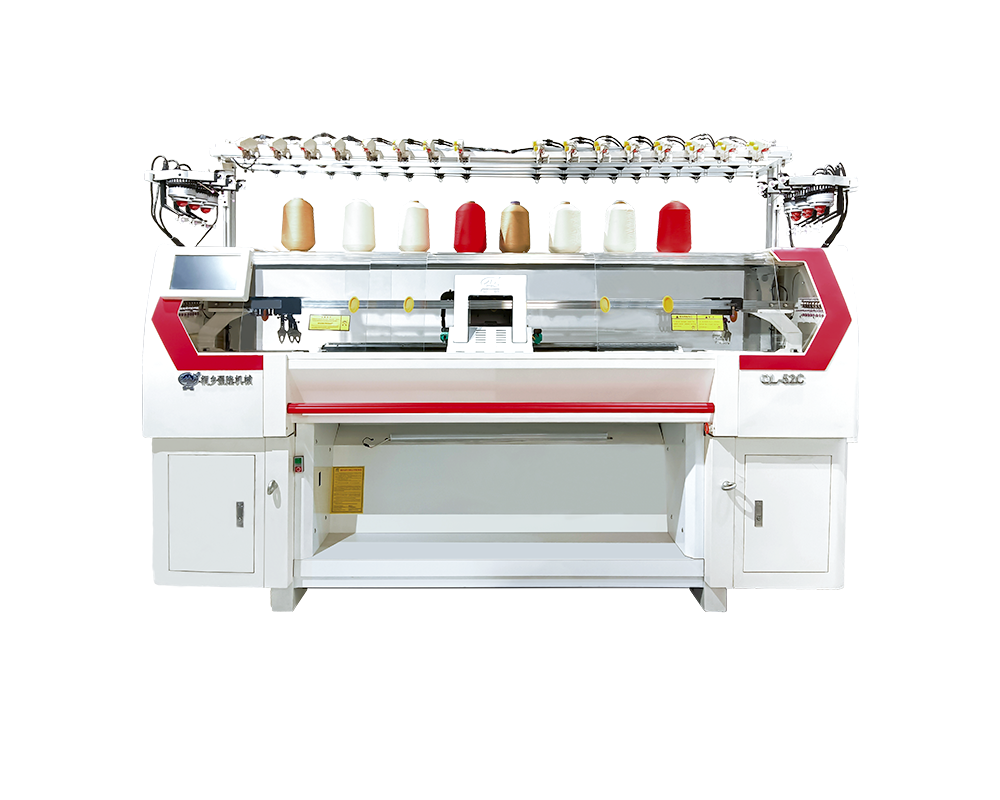
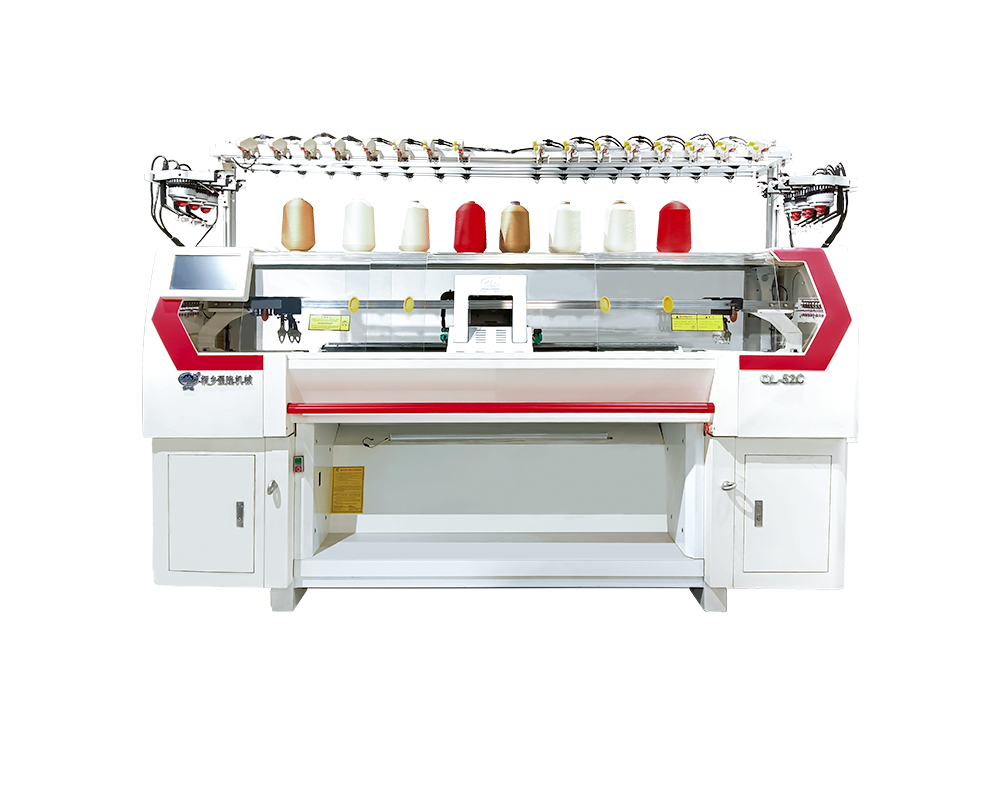
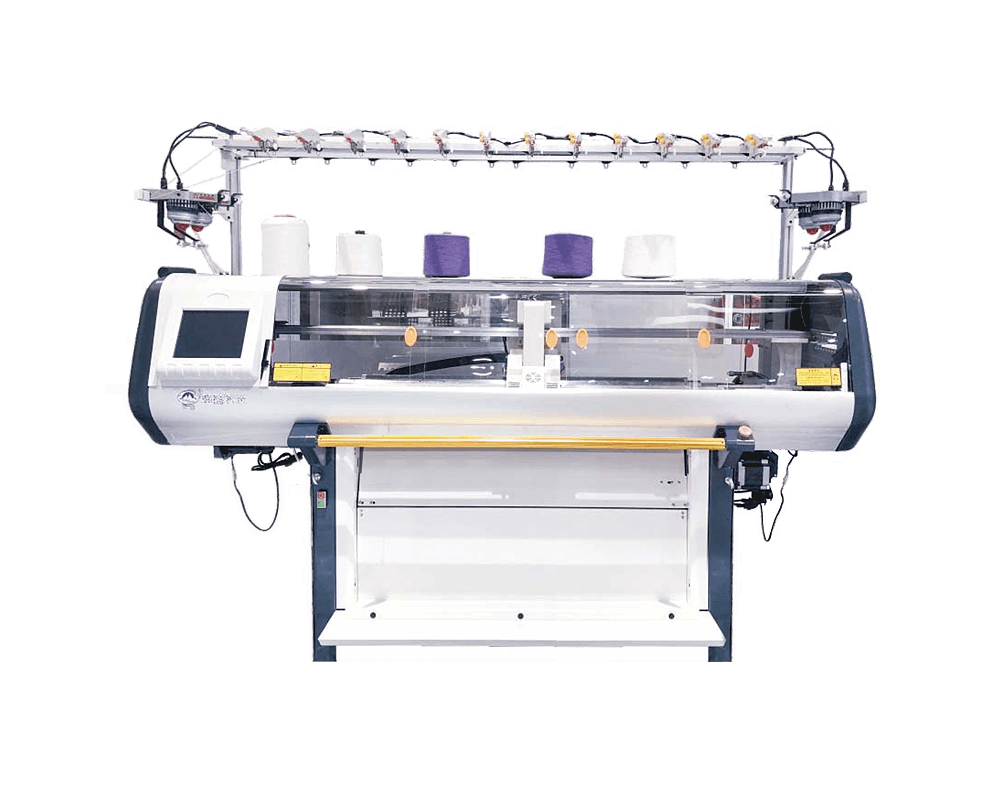
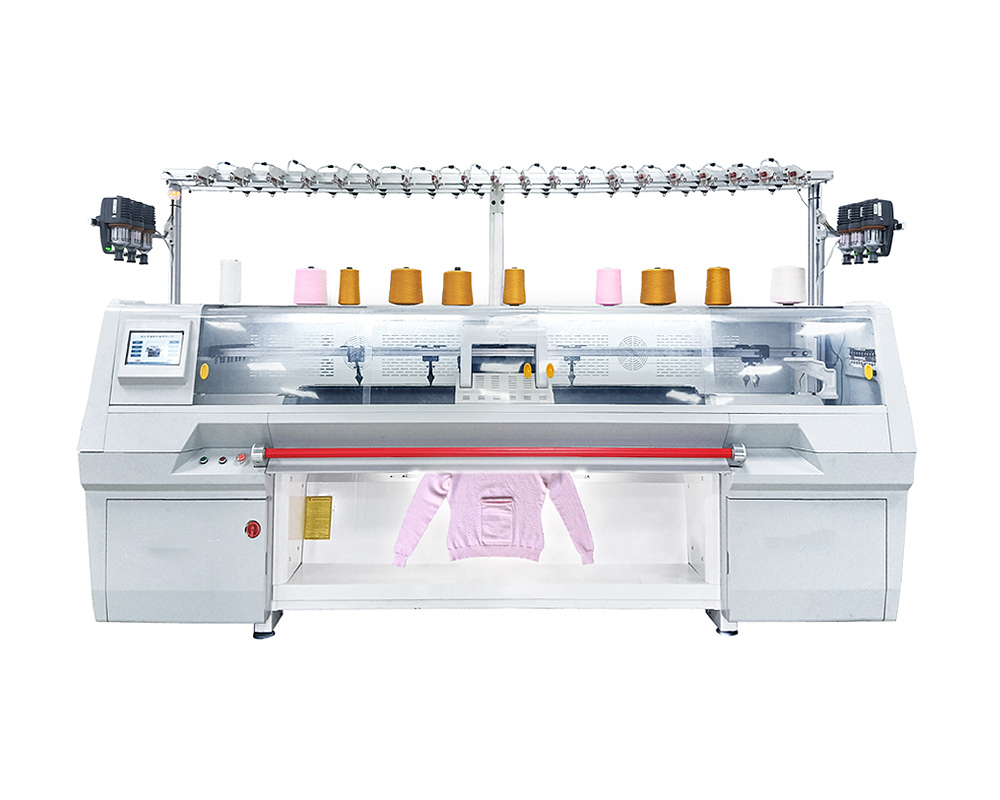
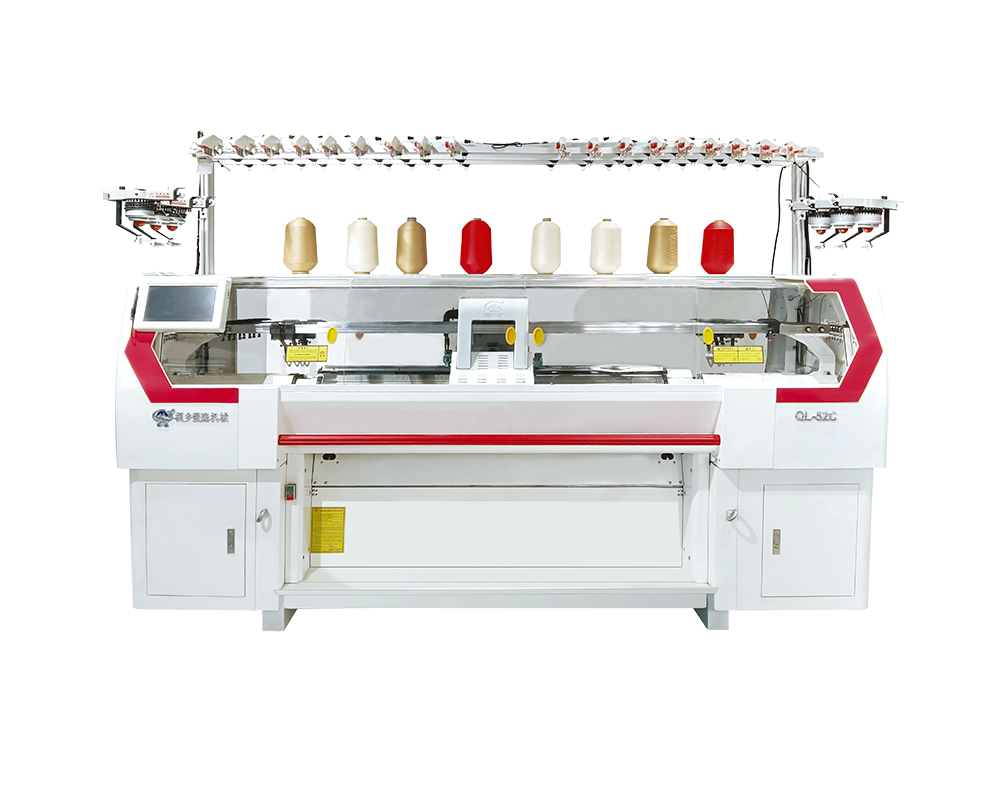

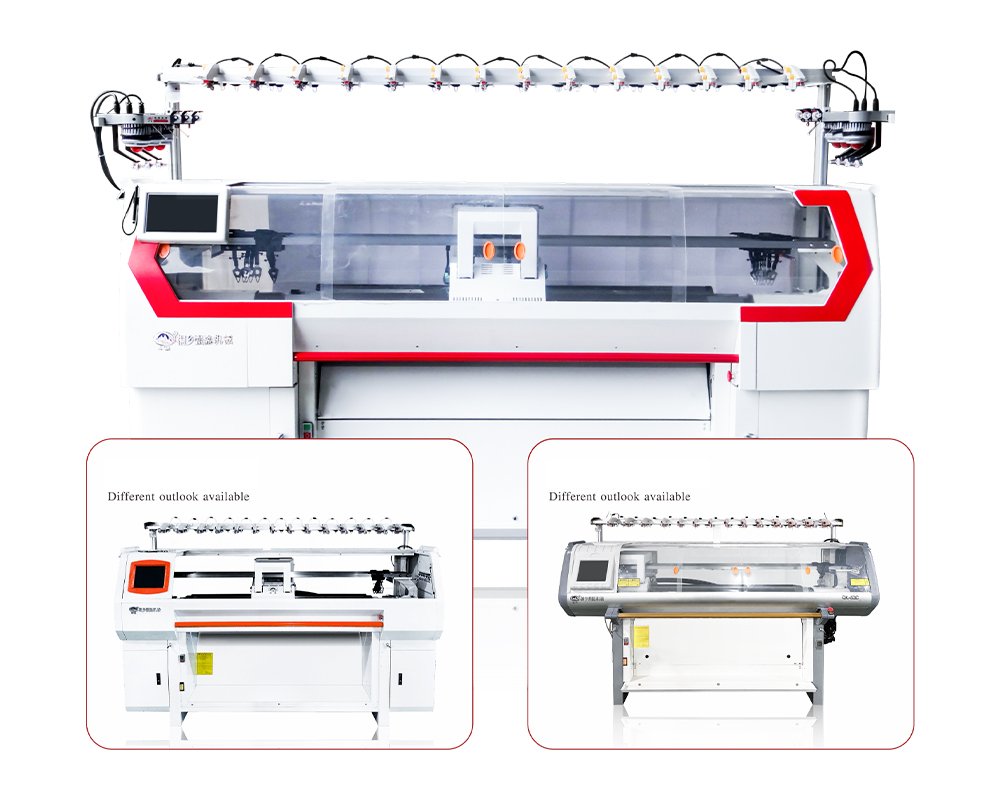
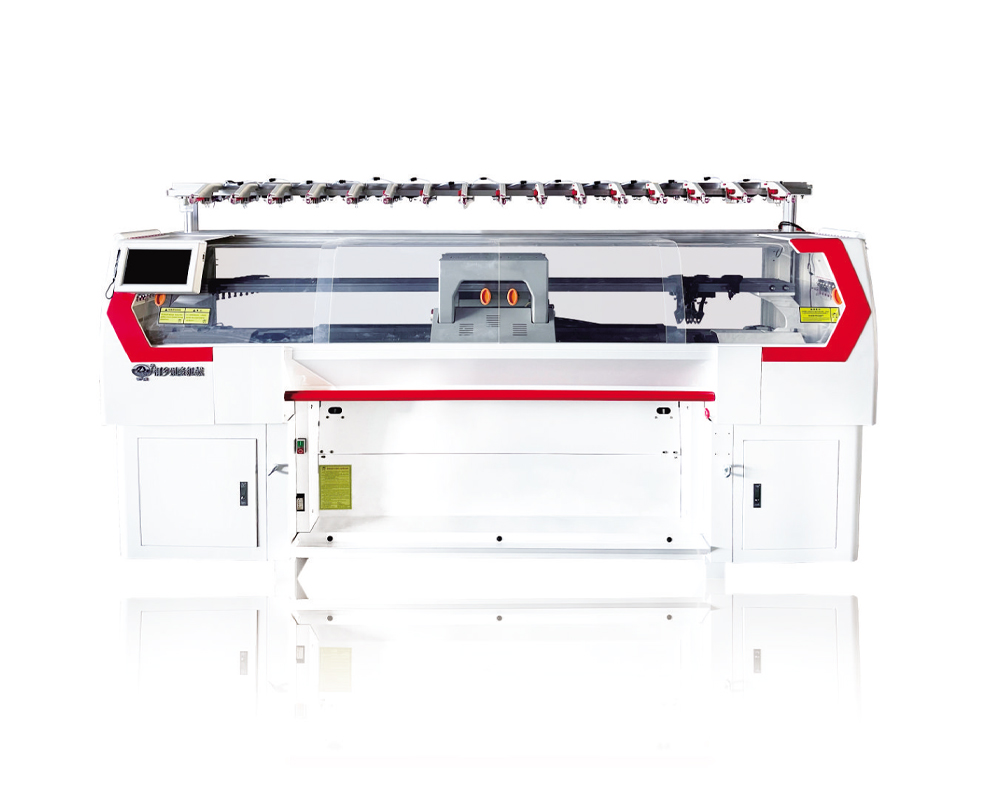
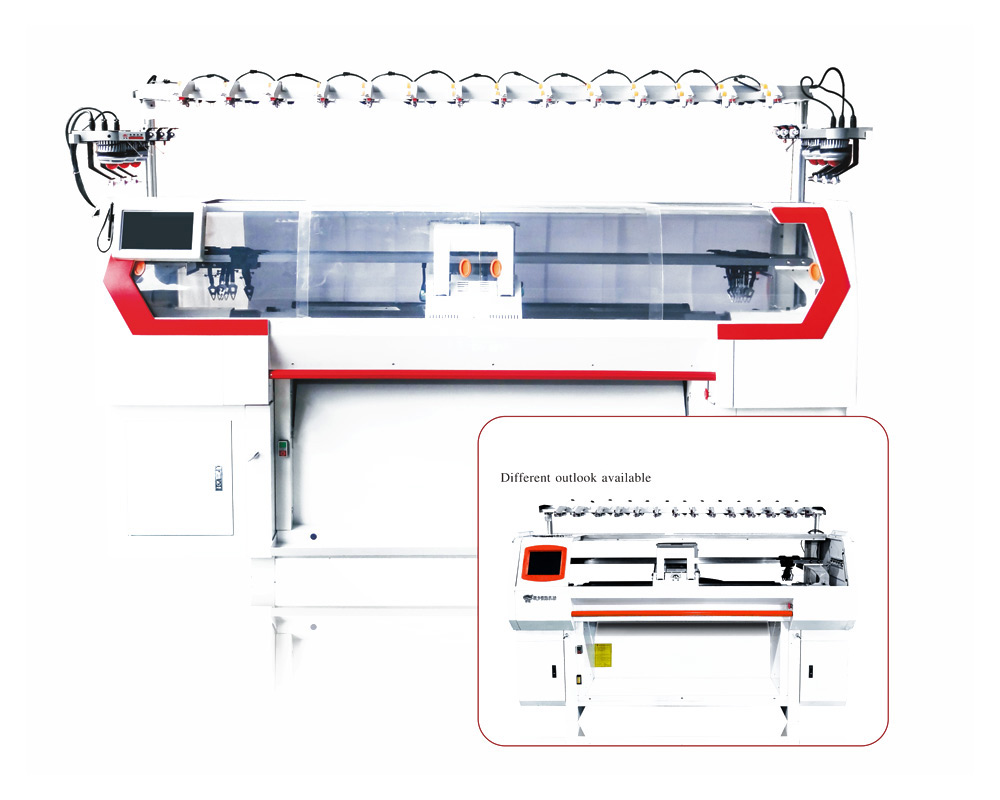

Maquinaria Co., Ltd. de Tongxiang Qianglong es de alta tecnología Fabricantes de máquinas de tejer planas computarizadas al por mayor de China, especializada en el diseño, desarrollo y fabricación de maquinaria para tejer.
3D flyknit technology has moved from a premium footwear trend to a mainstream production method for shoe uppers, seamless garments, and engineered textiles. If you are looking for 3D flyknit knitting machine suppliers, you are probably comparing more than price. You want a partner who understands both the machine and the production process. This guide explains what matters most when choosing a supplier, so you can invest with confidence.
What Is a 3D Flyknit Knitting Machine?
A 3D flyknit knitting machine is a computerized flat knitting machine designed to produce three-dimensional knitted parts in one continuous process. It uses programmable needle beds to create knit, tuck, and miss stitches, allowing different zones of density, elasticity, and support within the same fabric. Instead of cutting and sewing separate panels, manufacturers can knit a seamless shoe upper or a whole garment that fits more naturally and reduces material waste.
Compared with a regular flat knitting machine, a 3D flyknit model usually offers more needle control, additional knitting systems, and more sophisticated yarn feeding. The result is a machine capable of turning digital pattern files directly into finished parts that would otherwise require multiple production steps.
Why the Supplier Choice Matters More Than the Machine
Two suppliers may quote similar machines, but the experience after the sale is what separates a good investment from a costly mistake. A reliable supplier helps you select the right gauge, width, and system configuration before you order. They provide training, clear documentation, and responsive technical support when you are setting up a new product line. They also maintain spare parts availability so a small issue does not become a long production stop.
At QiangLong Machinery, we have been in the knitting machinery industry for more than three decades. We design and manufacture computerized flat knitting machines, shoe upper machines, whole garment machines, and specialized knitting devices. That background gives us practical insight into how these machines perform in real factories. We do not just sell a machine; we support the entire production workflow.
Key Specifications to Compare When Evaluating Suppliers
Before asking for quotations, define your target products and yarn range. That will help you compare machines on the specifications that truly matter. Use the table below as a starting point.
| Specification | What to Evaluate | Impact on Production |
|---|---|---|
| Gauge | Needle spacing and compatible yarn count | Determines fabric density, weight, and hand feel |
| Knitting width | Maximum fabric width on the needle bed | Affects part size and how many pieces can be knitted at once |
| Number of systems | Cam systems per carriage | Influences knitting speed and ability to handle complex patterns |
| Control system | Programming interface, design software, data exchange | Affects setup time, pattern flexibility, and ease of operation |
Gauge and Knitting Width
Gauge is one of the first decisions you will make. Fine gauges produce lighter, denser fabrics, while coarser gauges work better with thicker yarns and faster production. Knitting width determines the maximum dimensions of the knitted part. For shoe uppers, a wider needle bed provides more flexibility for producing multiple sizes in one production cycle. Make sure the supplier can recommend a gauge that matches both your current orders and your plans for future products.
Number of Systems and Carriage Configuration
Systems control how many yarns can be knitted in a single traverse. A three-system machine can complete more knitting operations per carriage pass, which directly improves productivity. This is especially valuable in 3D flyknit production, where patterns often combine main yarns, elastic yarns, and contrast threads. When you compare suppliers, ask for the number of systems, carriage speed, and how the systems handle color changes and stitch pattern modifications.
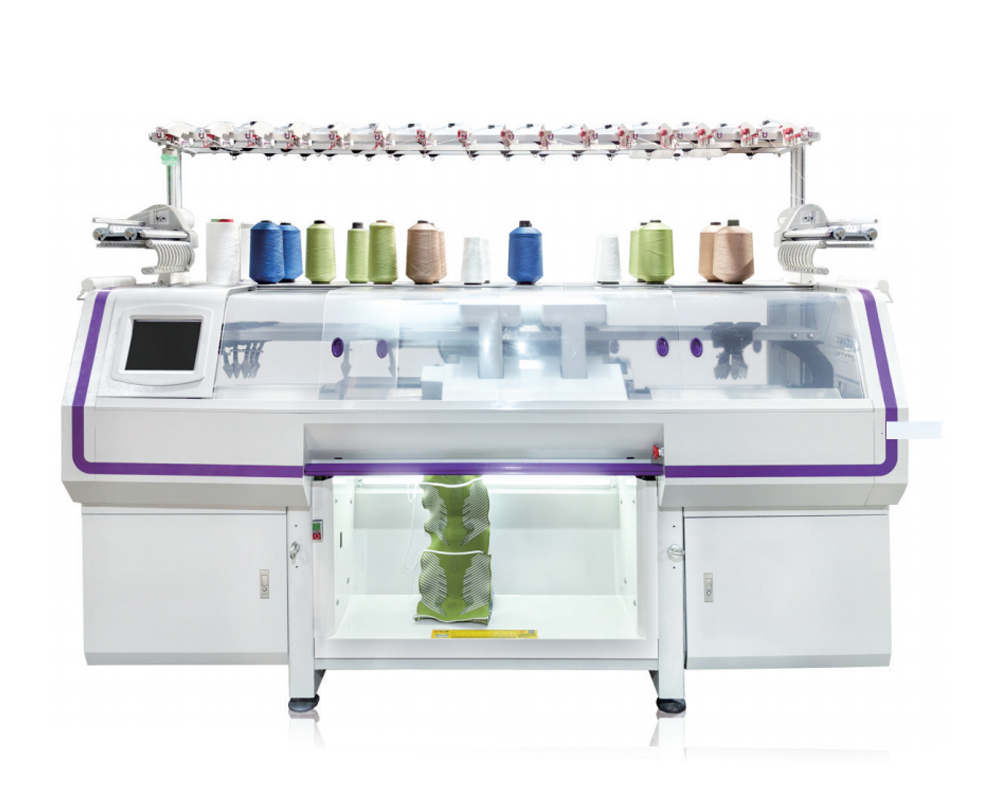 Triple System 3D Shoe Upper Knitting Machine SeriesThis fully automatic series offers three or four knitting systems for faster production of seamless shoe uppers. It supports jacquard, intarsia, and transfer functions with positive yarn feeding, making it a productive choice for flyknit manufacturing.View Product →
For manufacturers focusing on seamless shoe uppers, a three-system shoe upper machine is worth evaluating closely. Its multiple systems allow faster production of engineered uppers while maintaining precise control over stitch structure and yarn placement.
Control System and Software
The control system is your daily interaction point with the machine. A good system should make it easy to import design files, assign knitting actions to needles, and simulate the result before production starts. Look for a supplier that offers continuous software updates and responsive programming support. Even the most robust machine will struggle if the operator cannot translate a design into efficient machine instructions.
What Separates a Reliable 3D Flyknit Knitting Machine Supplier?
Technical specifications are only one part of the evaluation. The supplier’s manufacturing capability, product range, and after-sales service determine how well the machine performs over its lifetime.
Manufacturing Heritage and Engineering Depth
Knitting machines contain hundreds of moving parts that must work together at high speed. A supplier with real manufacturing experience is more likely to use durable materials, stable frames, and well-tested electronic components. Our own history goes back to 1986, when the predecessor of QiangLong started with basic hand-operated knitting machines. Today we operate from a large manufacturing base in Tongxiang, and we continue to invest in product development and engineering improvements.
Product Range and Customization
No single machine is ideal for every factory. Some customers need a simple two-system machine for basic garments, while others require a three-system model for complex shoe uppers or a whole garment machine for seamless apparel. A good supplier offers a range of configurations and helps you match the machine to your product mix. They should also be open to discussing optional devices such as yarn feeders, yarn combs, or additional carriage features.
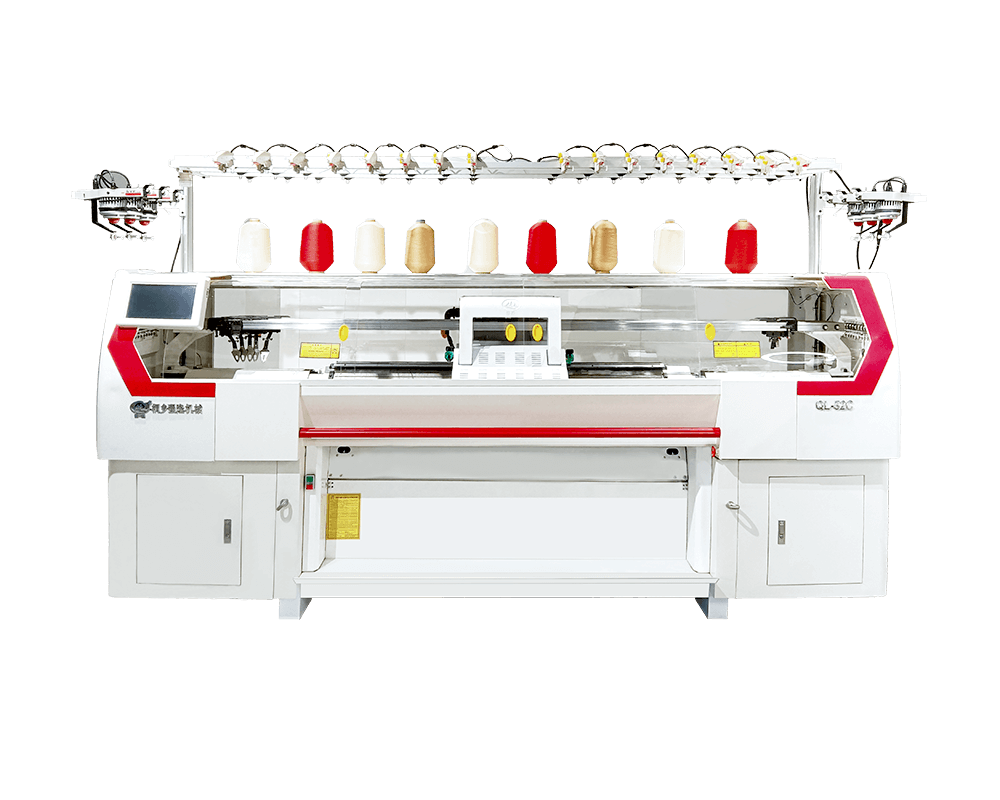
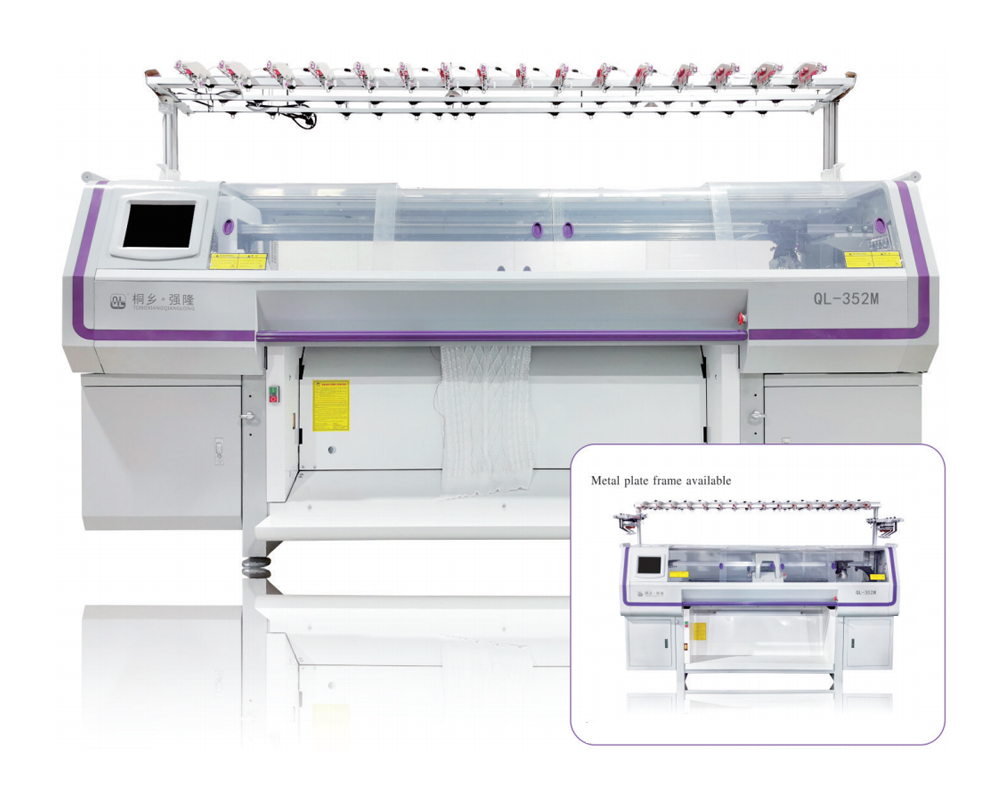 Three-System Computerized Flat Knitting Machine SeriesBalancing speed and pattern versatility, this series handles jacquard, rib transfer, and narrowing across various gauges and widths. Suitable for sweaters, scarves, and accessories, it adapts well to factories producing both flat panels and shaped parts.View Product →
For factories producing both flat panels and shaped parts, the three-system computerized flat knitting machine series offers a versatile balance of speed and pattern capability. It can handle everything from basic jacquard to more demanding knit structures.
After-Sales Support and Spare Parts
Production equipment is only valuable when it is running. Ask about installation, operator training, technical documentation, and how quickly spare parts can be delivered. A supplier with a dedicated after-sales team and a clear service process will reduce the risk of long downtime. At QiangLong, we maintain a sales and service network that provides technical support, and we respond to customer requests around the clock. For urgent issues, a reliable phone or online channel makes a real difference.
Common Applications of 3D Flyknit Machines
Understanding the full range of applications helps you communicate your needs to suppliers and choose the right configuration. Typical production scenarios include:
- Seamless shoe uppers: Knitting the entire upper in one piece reduces cutting waste, improves fit, and allows engineered support zones.
- Whole garments: Complete sweaters and dresses can be knitted with minimal seams, reducing sewing labor and increasing comfort.
- Collars, cuffs, and trims: Smaller knitted components can be produced quickly with precise stitch control.
- Technical and performance textiles: 3D structures are useful for sportswear, medical compression products, and other functional fabrics.
For manufacturers who want to move beyond flat panels into seamless products, the whole garment machine may be the most relevant option. It combines the flexibility of a flat knitting machine with the ability to create full garments directly from the needle bed.
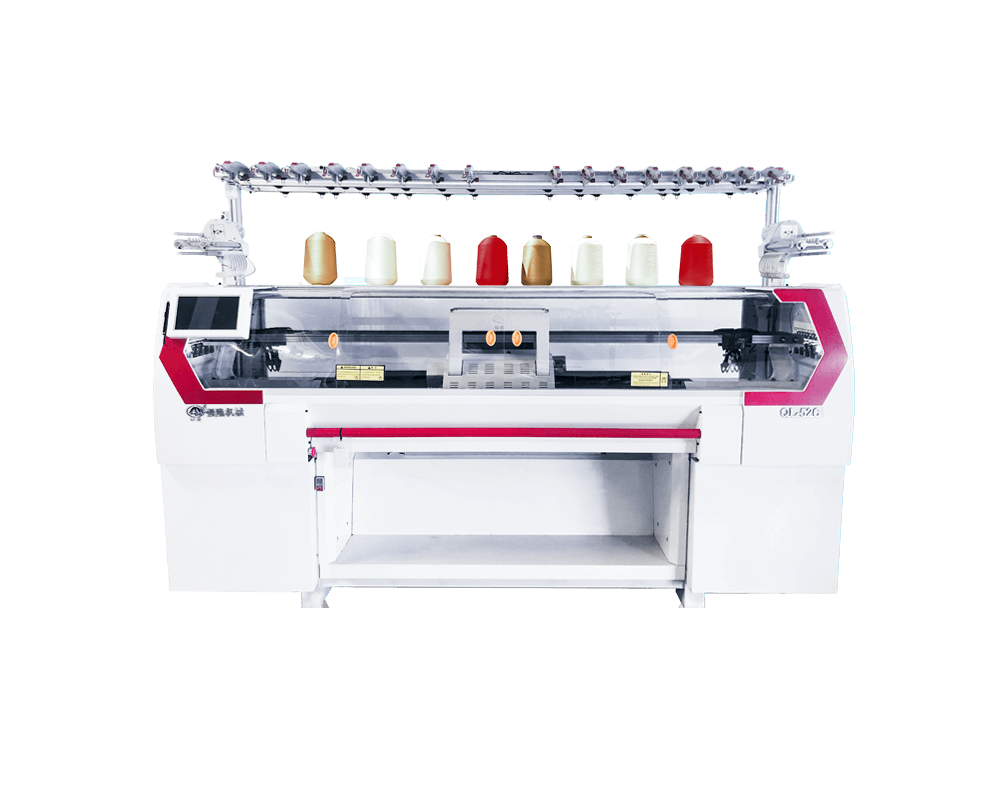
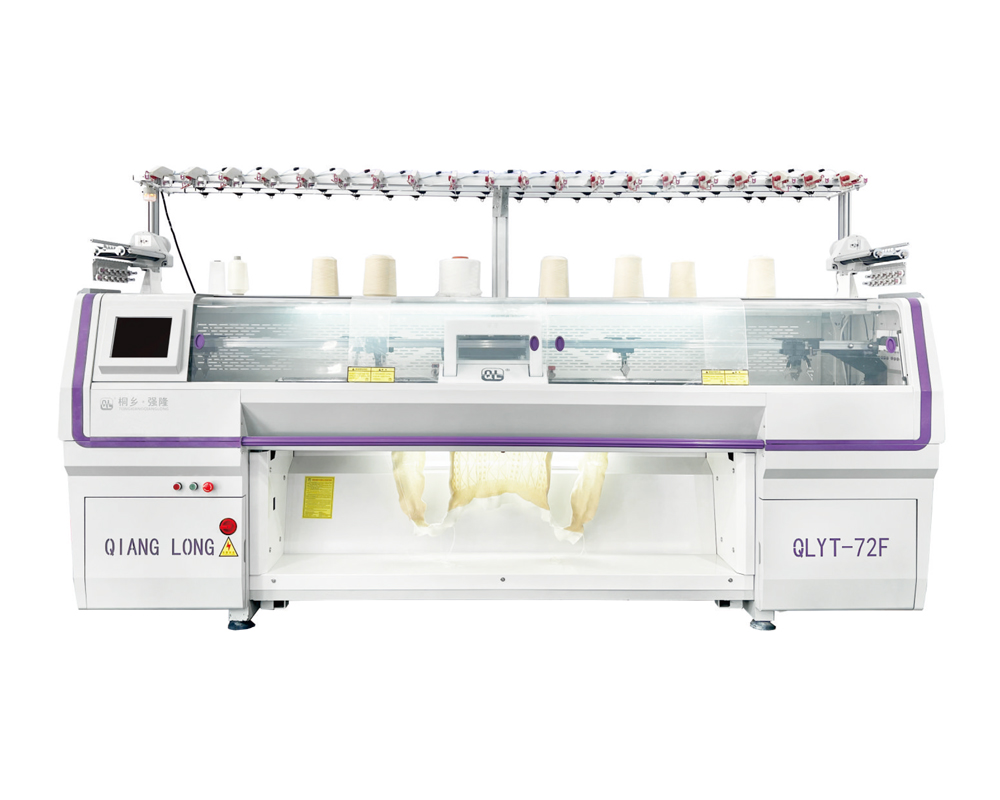 Whole Garment Knitting Machine with Lifting DeviceThis machine knits an entire sweater or garment in one piece, eliminating cutting and sewing steps. It features intelligent rollers, high-performance sinkers, and dynamic stitch control, reducing labor while producing seamless knitted apparel and accessories.View Product →
This type of machine is particularly valuable in markets where labor costs for sewing are rising, because it eliminates many cutting and stitching steps.
Cost, Payback, and Total Cost of Ownership
When comparing 3D flyknit knitting machine suppliers, remember that the purchase price is only the starting point. Energy consumption, maintenance, spare parts, operator training, and machine uptime all contribute to total cost of ownership. A slightly more expensive machine that runs reliably and produces fewer defective parts can deliver a better return over three to five years.
One way to evaluate profitability is to calculate the potential output per shift and compare it with your order volume. Faster knitting speeds and higher system counts improve output, but only if the machine can maintain that speed without losing pattern quality. Ask suppliers for realistic production figures and request references from factories with similar applications. You can also learn more about the financial side by reading our industry notes on 3D flyknit knitting machine cost and profitability.
Questions to Ask a Supplier Before You Place an Order
Once you have narrowed down your list of potential suppliers, ask direct questions about the machine and the support behind it. The following list will help you cover the important points.
- Can you provide a written specification sheet with gauge, knitting width, systems, and speed for the exact model you recommend?
- What training do you offer for machine operators and pattern programmers?
- What is your spare parts policy, and what is the typical delivery time for common consumables?
- How do you handle warranty claims and technical troubleshooting?
- Can the machine be upgraded later if we want to add functions or increase automation?
- Do you offer remote support, and what are your normal response times?
These questions will reveal whether a supplier has the experience and infrastructure to support your business beyond the initial sale. The right supplier should feel like a partner, not just a seller.
Choosing among 3D flyknit knitting machine suppliers involves technical comparisons, production planning, and financial analysis. But the final decision often comes down to trust. You need a supplier who understands your product, responds to your questions, and stands behind the machine long after installation. That is the approach we have worked to build at QiangLong Machinery for over thirty years. If you are ready to discuss your requirements, contact us and we will be happy to help you find the right solution.
